- Recombinant antigens
- Borrelia burgdorferi recombinant antigensVitrotest is a manufacturer of recombinant mosaic protein, which is an analogue of the OspC antigen produced in the E.coli expression system. Another recombinant mosaic protein, VLsE, produced in the E. coli expression system is also available. Both recombinant analogues contain epitopes that are recognized by specific antibodies in serum samples from the patients. These Borrelia burgdorferi proteins are the main diagnostic markers of infection. OspC is a highly immunogenic protein that interacts with components of the host immune system. VlsE is an envelope protein that evades the immune response due to its variable domains. It is known, however, that epitopes are found in both variable and conserved regions.
- Chlamydia trachomatis recombinant antigensChlamydia trachomatis (C. trachomatis) is a Gram-negative bacterium that causes a variety of human infections known as chlamydia. This intracellular parasite has a unique development cycle, which includes two forms of existence: metabolically active non-infectious intracellular reticular bodies and metabolically inactive extracellular infectious elementary bodies. Chlamydia can exit from the host cell without lysis causing moderate infection. Diagnosis primarily involves genetic tests, and serological tests detect persistent antibodies even after the infection has resolved. IgA antibodies appear in the blood 10-14 days after the onset of the disease; high concentrations of antibodies of this class may indicate a chronic infection. Specific IgA has a half-life of 5-7 days, allowing to monitor the effectiveness of treatment. IgG antibodies indicate acute, chronic or past infection and appear starting from the third week after the onset of the disease. Crucial to serological assays is the major outer membrane protein (MOMP) of C. trachomatis. The three-dimensional structure of MOMP reveals variable domains recognized by the host immune system. Another important antigen, heat shock protein 60 (HSP60), functions as a chaperone, assisting protein folding and triggering immune responses. Both proteins are highly immunogenic. Vitrotest offers a recombinant protein similar to MOMP, produced with an E.…
- CMV recombinant antigensCytomegalovirus (CMV) or human herpes virus type 5 (HHV5) is a DNA-containing representative of the herpesvirus group. CMV is a member of the TORCH group of infections, so identifying CMV infection in pregnant women is critical due to the potential for harm to the fetus. Only a positive CMV IgG test cannot clearly indicate the time that has passed since infection. At the same time, it is possible to distinguish primary infection from long-term persistence of the virus by determining the avidity of class G antibodies. After the first infection, IgG binding is initially weak and then increases, that is, avidity increases within 2-4 months. The infection is often asymptomatic due to variability of individual response and virulence of CMV strains. To monitor the serological response, recognized markers include proteins P150(UL32), p52(UL44), as well as P28(UL99) and p65. UL32(p150) is vital for CMV replication, capsid assembly, and virus exit from the cell. UL99 increases the expression of viral genes, especially early genes that needed to initiate viral replication. UL99(p28) interacts with host cell proteins to influence transcription, signalling, and apoptosis. UL44(p52), part of the viral DNA polymerase complex, is critical for viral genome replication. It interacts with viral and host…
- EBV recombinant antigensThe company Vitrotest produces the recombinant protein EBV VCA p18, which shows very good diagnostic characteristics, confirmed by its long-term use in ELISA kits as an antigen for sorption and in the form of a conjugate. The recombinant protein is an analog of capsid antigen p18 obtained in the E.coli expression system. The range of Vitrotest products also includes the recombinant protein EBNA-1, which contains the immunodominant regions of the EBV nuclear antigen and is obtained in the E.coli expression system. The high quality of the protein is confirmed by its use as an antigen in ELISA kits.
- HBV recombinant antigensHBV is a DNA virus of the Hepadnaviridae family. This virus causes hepatitis B, an infection that can lead to cirrhosis and liver cancer. The HBV virion has an outer lipoprotein envelope, which includes the surface antigen (HBsAg), and the icosahedral nucleocapsid is formed by the hepatitis B virus core antigen (HBcore). HBsAg is responsible for the adsorption of the virus on the cell surface, consisting of small (S), medium (M) and large (L) proteins. HBsAg is the first serological marker and can be detected within 1-2 weeks after infection. This precedes the development of symptoms of viral hepatitis, which can appear after an average of 4 weeks. Determination of HBsAg in blood serum is the most common method for diagnosing viral hepatitis B. To detect this marker, a pair of monoclonal antibodies specific for HBsAg is most often used. HBcore takes part in virus replication. During acute infection, anti-HBcore is detected predominantly of the IgM class, which may be the only marker in rare cases of HBsAg negative hepatitis B. Vitrotest offers a very good quality recombinant antigen containing HBcore epitopes. The recombinant HBcore that we produce is very close in conformation to the native one, since in its…
- HCV recombinant antigensHepatitis C virus is a human-pathogenic small single-stranded RNA virus of the Flaviviridae family. HCV causes hepatitis C, hepatocellular carcinoma and lymphoma. Detection of circulating antibodies against HCV using serological methods has been the main approach to diagnosing infection. The immunodominant antigens HCcore, E2, NS3, NS4A/B and NS5A are used in the 3rd generation test kits. The humoral response to these antigens depends on the stage of the disease and the genotype of the virus. Today, there are 8 HCV genotypes, which are designated by numbers from 1 to 8, and almost 100 subtypes, which have a letter designation. Genotypic differences manifest themselves in changes in the antigenic characteristics of the virus, which should be taken into account when creating diagnostic kits to achieve the desired test sensitivity. There are structural: HCcore, E1/E2 and non-structural (NS) HCV proteins. Envelope glycoproteins E1 and E2 are responsible for recognizing cell receptors. HCcore forms the viral capsid and promotes binding to the host lipid membrane. This protein is actively released into the bloodstream during viral replication and is an early antigenic marker. In most infected people, antibodies to NS3 and HCcore appear first, and only 20-22 weeks after infection antibodies to the non-structural protein…
- Helicobacter pylori recombinant antigensVitrotest produces recombinant CagA protein containing key immunodominant regions. This protein is typical for type I bacteria, while type II does not contain Cag. A recombinant CagA was produced in an E. coli expression system and purified by affinity chromatography. When used as an antigen, CagA exhibits good diagnostic performance.
- HHV6 recombinant antigensHHV-6, or human herpes virus type 6, is the common name for a group that includes two different DNA viruses called HHV-6A and HHV-6B. Both members belong to the subfamily Betaherpesviridae. HHV-6 infection can have significant health consequences, especially regarding to the central nervous system and effects on the immune system. There is evidence that HHV-6 may act as a cofactor in the development of AIDS, some types of cervical carcinoma and nasopharyngeal cancer. Infection with HHV-6 usually occurs in early childhood, resulting in approximately 95% of adults having antibodies against the virus. Diagnosis of HHV-6 often involves immunochemical and molecular biological methods such as PCR and hybridization. Detection of antibodies to HHV-6 in serum has become widely used, but serological methods cannot differentiate antibodies to HHV-6A and HHV-6B. Among serological approaches, enzyme immunoassay is the most common. Vitrotest offers a recombinant protein that is an analogue of the native U90 HHV-6A antigen. U90 HHV6 promotes viral replication and cell-to-cell spread. Its functional domains include regions responsible for transcriptional activation, DNA binding, and interaction with cellular proteins. This protein is one of the markers of infection, and an immune response to it develops in most infected individuals.
- SARS-CoV-2 recombinant antigensThe NC protein of the SARS-CoV-2 has a diagnostic value since it is involved in transcription and replication of RNA, influences antiviral reactions in host cells, and participates in forming humoral immune response. Based on extensive experience with ELISA kits, we offer two recombinant nucleocapsid protein analogue antigens produced in an E. coli expression system and purified by affinity chromatography. One recombinant protein contains His and the other GST.
- Treponema pallidum recombinant antigensTreponema pallidum is a spirochete bacterium that causes syphilis. This bacterium is often called a “hidden pathogen” because highly immunogenic lipoproteins are found in the periplasmic space, while the outer membrane contains numerous non-immunogenic proteins. Detection of syphilis is based on serological tests, which are the only means of identifying asymptomatic cases. The traditional diagnostic approach involves a combination of two types of tests. To assess disease activity, tests for non-treponemal antibodies are used, the titers of which decrease with treatment. Treponema-specific tests usually confirm the immune response but do not indicate the time frame of infection. Such serological tests usually detect class G antibodies, which indicate a mature immune response in primary and secondary syphilis, while IgM indicates a recent infection. In the diagnosis, several key proteins of T. pallidum are most important: TprK (p41) is a protein characterized by significant antigenic variation. Tp47 also exhibits antigenic variability and is a highly immunogenic membrane-associated lipoprotein often used in serological tests. Tp17 is also recognized as an immunodominant antigen during syphilis. Vitrotest produces recombinant mosaic proteins produced in the E. coli expression system. These proteins are analogs of the immunogenic proteins p17, p41, and p47 of T. pallidum and contain…
- Trichomonas vaginalis recombinant antigensTrichomonas vaginalis, a parasitic single-celled organism, is the main cause of trichomoniasis, a sexually transmitted disease that affects both men and women. This disease can lead to a number of genitourinary tract problems, including occasional discomfort, and inflammation, and in pregnant women, it can even lead to premature labor and low birth weight babies. In addition, trichomoniasis is associated with an increased risk of cancer and infertility. Diagnosis of trichomoniasis usually involves several main methods: microscopy of samples, PCR, or serodiagnosis. Two critical trichomonad antigens involved in the immune response are α-actinin and AP-33, antibodies to which begin to appear on days 6-7 after infection and can be detected after another 7 days. AP-33 is an adhesion protein unique to T. vaginalis. It boasts a high degree of homology between different parasite genotypes. Given the prevalence of antibodies to it among seropositive individuals and its robust immunogenic properties, AP-33 stands out as an excellent antigen in serodiagnosis. Another important protein in T. vaginalis is α-actinin. It mainly contributes to the motility of the pathogen. Detection of IgG antibodies to α-actinin in infected individuals is also a reliable diagnostic criterion. Patients with trichomoniasis usually produce these antibodies, which are not found…
- Ureaplasma spp. recombinant antigensUreaplasma spp. is the common name for a group of atypical bacterial pathogens of the class Mollicutes, consisting of closely related species U.urealyticum and U.parvum, previously considered biovars. The lack of a cell wall makes them unique among microbes. Ureaplasma spp. is a commensal organism that colonizes the human reproductive tract and is often accompanied by asymptomatic infection. On the other hand, these microorganisms can cause chorioamnionitis, neonatal infection, and urethritis. Also at risk are recipients after transplantation and surgical interventions. The most common approach to diagnosing ureaplasmosis is culturing in a selective diagnostic medium. A quick marker is the identification of nucleic acid by PCR. Detection of antibodies to ureaplasma can be an additional method in complex diagnostics and valuable in the context of studying the history of human diseases. To develop serological tests, antigens from Ureaplasma spp. are used. MBA (Multiple Banded Antigen), a surface high-molecular lipoprotein, is most often used. This protein is involved in adhesion processes and is immunogenic with high homology in both types of uraeplasma. The C-terminal region of the protein exhibits pronounced antigenic properties, which are mainly associated with the synthesis of antibodies to this region. The immune response to MBA has much…
- Native antigens
- Giardia lamblia native antigensGiardia lamblia is a flagellated intestinal parasite of the protozoan kingdom. G. lamblia causes intestinal malabsorption and diarrhea (giardiasis) in humans and other mammals. A central factor behind Giardia’s success as a parasite is its simple, two-stage life cycle. After the host ingests the cysts (the infective stage), trophozoites appear in the duodenum and attach to the mucosa of the small intestine. Trophozoids divide mitotically within the intestine; some of them later turn into cysts and get out. Countless evidence demonstrates the role of the humoral immune response in the elimination of G. lamblia. The dynamics of antibody concentrations are different for IgM, IgG and IgA. IgM levels increase significantly between 14 and 21 days postinfection and gradually decrease after therapy. In contrast, IgG levels remain elevated after successful treatment. The dynamics of IgA levels are similar to those of IgM. Serological testing is considered a useful adjunct to the diagnosis of giardiasis. In addition to aiding in diagnosis, it can be useful for understanding the state of a patient’s immune response and for epidemiological studies. To identify a specific immune response to Giardia lamblia, both native and recombinant antigens are used. About 16 different proteins found in both cysts…
- Mycoplasma hominis native antigensMycoplasma hominis is a bacterium belongs to the Mycoplasmataceae family. The uniqueness of this microorganism lies in the absence of a cell wall and its very small size. Mycoplasma hominis is an opportunistic pathogen in humans and can cause infections of varying severity, most commonly of the genitourinary tract, joints, and less commonly of the bloodstream. Diagnostics usually involves isolating the pathogen in a selective diagnostic medium; it is a fairly sensitive method, but requires several days of incubation and proper collection of clinical material. Another common diagnostic method is the polymerase chain reaction. Serological testing for the presence of antibodies to the pathogen is also often used in clinical practice.
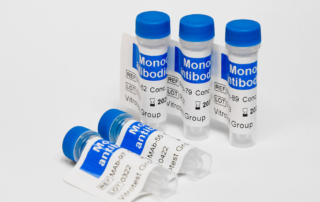
- Monoclonal antibodies
- Anti-cat IgG monoclonal antibodiesAnti-species monoclonal antibodies (Mabs) are an indispensable reagent in serological diagnostics in both human and veterinary medicine. Anti-species monoclonal antibodies, specific to different classes of immunoglobulins, make it possible to determine both the primary and secondary immune response or exacerbation of chronic infection. Mouse monoclonal antibodies to cat IgG are the basis for the development of a variety of diagnostic kits based on ELISA, CLIA, Lateral Flow Immunoassay, WB. Mouse monoclonal antibodies to IgM of cats make it possible to determine the early immune response and create ELISA tests based on both the IgM capture principle and indirect ELISA. These Mabs can also be used in other serological tests for the determination of IgM, such as CLIA or Lateral Flow Immunoassay. Vitrotest offers a wide range of antibodies to feline immunoglobulins G and M. Our specialists will be happy to advise and help in choosing the best clones for your needs. Any anti-IgG antibody can be used for the indirect ELISA during serological diagnosis in cats, and anti-IgM for the capture or indirect ELISA. Also, the proposed monoclonal antibodies can be supplied immediately in the form of a horseradish peroxidase conjugate, intended for detection of antibodies in indirect ELISA.
- Anti-bovine IgG monoclonal antibodiesAnti-species monoclonal antibodies (Mabs) are an essential reagent for many diagnostic tests. Determination of the humoral immune response to various infectious agents is one of the most common diagnostic methods in both human and veterinary medicine. Anti-species monoclonal antibodies allow the determination of the immune response to various pathogens. Mouse monoclonal antibodies to cattle IgG are the basis for the creation of various diagnostic kits for veterinary medicine based on ELISA, CLIA, Lateral Flow Immunoassay and WB. Vitrotest offers a set of antibodies to bovine IgG. The proposed antibodies can be used for an indirect ELISA. If necessary, they can be supplied immediately in the form of a horseradish peroxidase conjugate, intended for detection of antibodies in indirect ELISA.
- Anti-cat IgM monoclonal antibodiesAnti-species monoclonal antibodies (Mabs) are an indispensable reagent in serological diagnostics in both human and veterinary medicine. Anti-species monoclonal antibodies, specific to different classes of immunoglobulins, make it possible to determine both the primary and secondary immune response or exacerbation of chronic infection. Mouse monoclonal antibodies to cat IgG are the basis for the development of a variety of diagnostic kits based on ELISA, CLIA, Lateral Flow Immunoassay, WB. Mouse monoclonal antibodies to IgM of cats make it possible to determine the early immune response and create ELISA tests based on both the IgM capture principle and indirect ELISA. These Mabs can also be used in other serological tests for the determination of IgM, such as CLIA or Lateral Flow Immunoassay. Vitrotest offers a wide range of antibodies to feline immunoglobulins G and M. Our specialists will be happy to advise and help in choosing the best clones for your needs. Any anti-IgG antibody can be used for the indirect ELISA during serological diagnosis in cats, and anti-IgM for the capture or indirect ELISA. Also, the proposed monoclonal antibodies can be supplied immediately in the form of a horseradish peroxidase conjugate, intended for detection of antibodies in indirect ELISA.
- Anti-dog IgG monoclonal antibodiesDetermination of the humoral immune response to various infectious agents is one of the most common diagnostic methods in both human and veterinary medicine. Anti-species monoclonal antibodies (Mabs) are an indispensable reagent in serological diagnostics. MAbs that are specific for different classes of immunoglobulins allow the development of diagnostic tests for various markers based on ELISA, CLIA, Lateral Flow Immunoassay, WB. Vitrotest offers a wide range of antibodies to canine immunoglobulins G and M. Our specialists will be happy to advise and help in choosing the best clones for your needs. Any of the proposed anti-IgG antibodies can be used for the indirect ELISA, and anti-IgM for the capture or indirect ELISA. Also, the proposed monoclonal antibodies can be supplied immediately in the form of a horseradish peroxidase conjugate, intended for detection of antibodies in indirect ELISA.
- Anti-dog IgM monoclonal antibodiesDetermination of the humoral immune response to various infectious agents is one of the most common diagnostic methods in both human and veterinary medicine. Anti-species monoclonal antibodies (Mabs) are an indispensable reagent in serological diagnostics. MAbs that are specific for different classes of immunoglobulins allow the development of diagnostic tests for various markers based on ELISA, CLIA, Lateral Flow Immunoassay, WB. Vitrotest offers a wide range of antibodies to canine immunoglobulins G and M. Our specialists will be happy to advise and help in choosing the best clones for your needs. Any of the proposed anti-IgG antibodies can be used for the indirect ELISA, and anti-IgM for the capture or indirect ELISA. Also, the proposed monoclonal antibodies can be supplied immediately in the form of a horseradish peroxidase conjugate, intended for detection of antibodies in indirect ELISA.
- Anti-human IgA monoclonal antibodiesMonoclonal antibodies (Mabs) to class A immunoglobulins is a very important reagent for detecting a specific immune response to various infections in humans. Determining specific IgA in human serum is often a better alternative to detecting IgM or IgG. This diagnosis may be especially relevant in the early stages of urogenital infections. Mouse monoclonal antibodies to human IgA allow you to create high-quality tests based on the principle of indirect ELISA. Also, Mabs data can be used in other serological tests to determine IgA. Also, on the basis of anti-IgA monoclonal antibodies, a carrier can be synthesized for immunoaffinity isolation of class A immunoglobulins from blood serum. Any of the offered antibodies can be used in indirect ELISA and delivered in the form of a horseradish peroxidase conjugate or biotinylated antibodies.
- Anti-human IgE monoclonal antibodiesSerological diagnosis of allergic conditions is impossible without the use of monoclonal antibodies (Mabs) to human IgE. Determining the level of total IgE and identifying specific IgE for various allergens is one of the most common methods for diagnosing type I hypersensitivity. Mouse monoclonal antibodies to human IgE can be used in the development of ELISA tests based on both the IgE capture principle and indirect ELISA. Mabs data can also be applied in other serological reactions for the determination of IgE, such as CLIA or Western blotting. A fairly wide range of antibodies to human IgE allows you to select an individual clone or the most optimal mixture of Mabs for both IgE capture and sandwich ELISA. Some of the presented antibodies have proven themselves to be best used for IgE capture, others as a conjugate in sandwich ELISA. We can offer you Mabs immediately in the form of a peroxidase conjugate or labeled with biotin.
- Anti-human IgG monoclonal antibodiesAnti-species monoclonal antibodies (Mabs) is an essential reagent for many diagnostic tests. Determination of the humoral immune response to various infectious agents is one of the most common diagnostic methods in medicine and veterinary medicine. Mouse monoclonal antibodies to human IgG are the basis for the development of various diagnostic kits based on ELISA, CLIA, Lateral Flow Immunoassay, WB. A wide range of antibodies to human IgG allows you to select an individual clone or the most optimal mixture of Mabs for your serological method. Any of the proposed antibodies can be used for indirect ELISA and delivered directly in the form of a horseradish peroxidase conjugate or biotinylated antibodies
- Anti-human IgM monoclonal antibodiesMonoclonal antibodies (Mabs) to class M immunoglobulins is a necessary reagent for determining the primary (early) immune response to various pathogenic agents in both humans and animals. IgM can also be a marker of exacerbation of chronic infection. Mouse monoclonal antibodies to human IgM can be used in the development of ELISA tests based on both the IgM capture principle and indirect ELISA. These Mabs can also be applied in other serological tests for the determination of IgM, such as CLIA or Lateral Flow Immunoassay. A fairly wide range of antibodies to human IgM allow you to choose an individual clone or the most optimal mixture of Mabs for both IgM capture and indirect ELISA. Some of the offered antibodies can be used only for IgM capture, others for an indirect version of ELISA and can be supplied directly as a conjugate. There are also universal clones suitable for both IgM capture and indirect ELISA.
- Ascaris lumbricoides monoclonal antibodiesVitrotest LLC offers monoclonal antibodies specific for Ascaris lumbricoides. Antibodies were obtained to the somatic antigen of Ascaris lumbricoides. These monoclonal antibodies can be used as positive controls and calibrators in test kits. This will eliminate the use of serum in the components of the kit.
- Borrelia burgdorferi monoclonal antibodiesWe offer mouse monoclonal antibodies obtained against Borrelia burgdorferi antigens. A number of clones have specificity for the OspC antigen. This antigen is known to produce the largest antibody response during infection. Monoclonal antibodies specific for VLsE are also available. VLsE is an envelope protein, also a stable marker of infection due to epitopes located in constitutive regions of the antigen. The functional purpose of the proposed monoclonal antibodies includes the preparation of positive controls and calibrators for immunoassays. This, in turn, avoids the need for serum-containing components of the test kit.
- Brucella abortus monoclonal antibodiesWe offer produced by Vitrotest mouse monoclonal antibodies to the native Brucella abortus polysaccharide that have been proven successful use in ELISA during development and production of diagnostic tests. These antibodies can be developed into positive control formulations in ELISA test kits for the determination of IgG antibodies to Brucella.
- Chlamydia trachomatis monoclonal antibodiesVitrotest’s portfolio includes mouse monoclonal antibodies specific to the MOMP and HSP60 antigens. Antibodies to antigens are critical for serological assays due to their high immunogenicity. C. trachomatis major outer membrane protein (MOMP) is recognized by the host immune system, and heat shock protein 60 (HSP60) functions as a chaperone assisting protein folding and trigger immune responses. Monoclonal antibodies to MOMP and HSP60 are well suited for use in immunoassays and can be used to synthesize positive controls or calibrators when antibody quantitation is required. This innovative approach allows the replacement of serum-containing components in the test kits.
- CMV monoclonal antibodiesWe offer Vitrotest monoclonal antibodies to recombinant CMV p150 and p52 antigens. We have obtained wide variety of monoclonal antibodies to cytomegalovirus antigens. The presented antibodies can be used as calibrators and synthetic positive controls in ELISA, which eliminates the need to use human serum in test kit control materials. Monoclonal antibodies include both high-avidity and low-avidity MAbs, making it possible to create avidity tests without the need to find scarce low-avidity sera.
- Corynebacterium diphtheriae monoclonal antibodiesVitrotest offers monoclonal antibodies specific for Corynebacterium diphtheriae. These monoclonal antibodies can be used as positive controls and calibrators in test kits. This allows the replacement of serum-containing components in the test kits.
- EBV monoclonal antibodiesThe company Vitrotest offers a large set of monoclonal antibodies specific for EBV antigens. A significant number of clones were obtained for the recombinant nuclear antigen EBNA. We also offer monoclonal antibodies to recombinant p18 protein. This protein is an immunodominant component of the capsid protein complex (VCA). Monoclonal antibodies can be used to prepare control materials and calibrators for ELISA, which will avoid the use of serum in test kit components. The combination of several monoclonal antibodies will increase the activity, stability and reproducibility of internal controls.
- Echinococcus granulosus monoclonal antibodiesThe range of reagents for helminthiasis diagnostics includes produced by Vitrotest specific for Echinococcus granulosus monoclonal antibodies. These antibodies were obtained against the native antigen of Echinococcus granulosus and are suitable for use in immunodiagnostics, as proven by many years of experience. The functional purpose of the proposed monoclonal antibodies may include the preparation of positive synthetic controls and calibrators for test kits. This approach will eliminate the use of serum-containing components.
- Giardia lamblia monoclonal antibodiesWe offer several monoclonal antibodies to G. lamblia that are specific to the somatic trophozoid antigen. The somatic antigen of G. lamblia trophozoids is a mixture of proteins containing immunogenic components and is then used in the serodiagnosis of infection. These monoclonal antibodies can be used in immunoassays as positive controls, eliminating the problem of finding sera with high levels of antibodies to Giardia lamblia. Vitrotest is currently actively working on developing antibody pairs to detect Giardia lamblia cyst antigen. We will be glad to offer you antibodies for the production of immunoassay tests.
- GST monoclonal antibodiesVitrotest offers monoclonal antibodies to glutathione-S-transferase of own production. Monoclonal antibodies to enzymes are specific agents with a wide range of applications. For example, they can be used for indirect immobilization of enzymes on a solid support. This approach makes it possible to preserve the functional activity of the immobilized enzyme. Other applications include affinity chromatography, immunoprecipitation, immunohistochemistry, ELISA and WB. In the context of ELISA, anti-GST antibodies can be used as a positive control in tests having GST fusion proteins immobilized on a solid support. GST antibodies are also a convenient tool for identifying recombinant fusion proteins. Peroxidase-conjugated antibodies are suitable for use in ELISA and WB.
- HBV monoclonal antibodiesVitrotest offers mouse monoclonal antibodies specific for HBsAg and HBcoreAg of the hepatitis B virus. Monoclonal antibodies for the detection of HBsAg are derived from the native protein. We have selected a pair of antibodies that allows us to create a sandwich ELISA with a sensitivity of 0.5 ng/ml without loss of assay specificity. Monoclonal antibodies to HBsAg have a wide range of functional purposes. Individual clones are suitable for the preparation of immunoaffinity carriers for the purpose of isolating HBsAg from the blood sera of patients with hepatitis B. MAbs obtained for the recombinant analogue of HBcoreAg can be used as positive controls in immunoassays, which will avoid the use of serum-containing components. Our specialists will be happy to provide advice and help in choosing monoclonal antibodies according to your needs.
- HCV monoclonal antibodiesWe offer mouse monoclonal antibodies to two HCV antigens. A set of monoclonal antibodies to the mosaic recombinant CN antigen and to the recombinant NS5 antigen has been obtained. Using the CN mosaic protein as immunogen, individual hybridoma clones responded to HCcore, NS3, and NS4 epitopes. Several varieties of monoclonal antibodies to the non-structural viral protein NS5 are also available. These antibodies can be used as synthetic positive controls in ELISA tests for the total or differential detection of antibodies to HCV. This will let you avoid using infectious material from hepatitis C patients in the kits, as well as to optimize the activity of internal controls in the differential determination of antibodies to various antigens of the hepatitis C virus.
- Helicobacter pylori monoclonal antibodiesVitrotest offers several monoclonal antibody clones specific to the Helicobacter pylori CagA antigen. This antigen is a virulence factor and an important immunogenic protein. Serological diagnosis of infection is based on the detection of antibodies specific to this protein. Vitrotest also produces internal controls and calibrators for quantitative tests based on monoclonal antibodies. This approach will avoid the use of human sera as components of the test kit.
- HHV6 monoclonal antibodiesVitrotest has produced a range of mouse monoclonal antibodies specific for HHV-6 U90 antigen. This antigen is a highly immunogenic component of HHV6A and is involved in replication, binding to DNA and cellular proteins. The proposed monoclonal antibodies can be successfully used as positive controls or calibrators. This approach will avoid the search for highly active sera and use in test kit components.
- HHV8 monoclonal antibodiesHHV8, human herpes virus type 8, is a DNA-containing member of the Gammaherpesvirinae subfamily. HHV8 is also known as Kaposi’s sarcoma-associated herpesvirus (KSHV). In addition to this disease, it can also cause other pathologies: primary effusion lymphoma and multicentric Castleman disease. To diagnose the infection, biopsy studies, molecular methods, and the detection of antibodies to the virus in the blood serum are usually used. Laboratory diagnosis of HHV-8 infection is most often based on serological tests such as immunofluorescence, enzyme-linked immunosorbent assay, and Western blot. Typically, IgM antibodies begin to appear at 7-14 days, and IgG at 14-21 days and play a role in neutralizing the virus, providing long-term immunity. Serological diagnostic methods help in establishing a diagnosis, as well as in screening organs for transplantation, which is a mandatory step. Vitrotest offers purified monoclonal antibodies specific for the HHV8 virus. These monoclonal antibodies can be used for the development of various diagnostic kits or scientific research. Another purpose is to create positive controls and calibrators from monoclonal antibodies, which eliminates the problem of finding patient sera for use in an indirect version of ELISA.
- HSV2 monoclonal antibodiesInfections caused by herpes virus type 2 (HSV2) often result in genital lesions, characterized by painful sores. Differentiation between the two types of HSV is important because HSV-1 and HSV-2 are quite similar but cause different clinical manifestations and often have different sites of infection. Some people with HSV2 infection may experience fever, headaches, and swollen lymph nodes. After the initial infection, the virus remains dormant in nerve cells and can periodically reactivate, causing repeated outbreaks of genital herpes. Important immunodominant components of the virus are glycoproteins gG and gD. gG is located in the viral envelope and is the main target of the immune system. gD is less immunogenic but plays a key role in virus attachment to cells. The use of native antigens in immunoassays often provides certain advantages due to increased sensitivity of the analysis. Monoclonal antibodies produced by Vitrotest are obtained against the native HSV2 antigen and are capable of reacting with herpes simplex virus type 2 antigens of different origins. The suitability of antibodies in ELISA has been confirmed by many years of experience. The use of a native antigen in the development of monoclonal antibodies provides high specificity and sensitivity due to the accurate…
- Measles monoclonal antibodiesMeasles virus is an RNA virus of the genus Paramyxoviridae that has a lipid envelope. Measles is characterized by fever and rashes that quickly spread throughout the body. This disease can have serious consequences, especially in children under five years of age, causing serious complications. During pregnancy, measles can lead to premature birth or miscarriage. The key factors in the pathogenesis of the virus are the F (fusion) protein, which ensures the penetration of the virus into cells and H (hemagglutinin), which facilitates the binding of the virus. Diagnosis of measles is carried out on the basis of the clinical picture, as well as using various laboratory methods, such as PCR, hemagglutination test, ELISA. Detection of measles RNA by PCR in respiratory samples confirms acute infection, as opposed to a history of infection, or the effectiveness of vaccination can be determined using serological tests. IgM antibodies to measles begin to be produced approximately 1-2 weeks after the onset of symptoms, while IgG antibodies are usually detected approximately 2 weeks later. As the immune response matures, low avidity antibodies are replaced by high avidity antibodies. Thus, by determining the antibody avidity coefficient, it is possible to distinguish a recent infection from…
- Mycoplasma hominis monoclonal antibodiesVitrotest offers murine monoclonal antibodies specific to the M. hominis somatic antigen of our own production. The usefulness of monoclonal antibodies has been confirmed by long-term use in ELISA. The product can be used to obtain positive synthetic control for immunoassays for the detection of mycoplasmosis. This approach will avoid the challenges of finding positive sera from patients and their use as components of test kits.
- Opisthorchis felineus monoclonal antibodiesWe offer mouse monoclonal antibodies produced by Vitrotest, specific to the native somatic antigen of Opisthorchis felineus. Antibodies to this antigen are the target of diagnostic tests. Monoclonal antibodies can be used to prepare internal controls for immunodiagnostic tests. This will avoid the search for extremely scarce material from patients with opisthorchiasis.
- Peroxidase monoclonal antibodiesWe offer monoclonal antibodies to horseradish peroxidase by our production. These products have been successfully used in the production of ELISA tests and are time-tested. In general, monoclonal antibodies to enzymes are specific agents with a wide range of applications. Such antibodies can be used to indirectly immobilize enzymes on a solid support. This approach allows maintaining the functional activity of the enzyme. Antibodies to horseradish peroxidase allow the development of universal internal controls for ELISA. The formation of the peroxidase-antiperoxidase (PAP) complex is the best known and important use. This complex is used in many immunohistochemical and immunocytochemical staining techniques. Other applications include immunoprecipitation and ELISA and.
- Rubella virus monoclonal antibodiesRubella virus is an enveloped RNA virus from the Togaviridae family. Rubella virus is included in the so-called TORCH infections, which are especially dangerous for pregnant women. IgM specific immunoglobulins appear first in the blood after vaccination and at the primary infection with the rubella virus. After the infection IgM antibodies are registered on the 3-5th day from the appearance of the rash, and after vaccination, antibodies of this class begin to appear in the blood in the third or fourth week. Specific antibodies of the IgG class begin to be produced by the body 7-10 days after clinical manifestations and reach a maximum after 4-5 weeks and remain at a high level for a long time. For this reason, it is quite difficult to determine acute infection using serodiagnosis. However, it is common knowledge that the avidity of an antibody increases over time. As the immune response matures, low avidity antibodies are replaced by high avidity antibodies. Detection of anti-rubella IgG with low avidity indicates recent infection. A high aqueous content of IgG to the rubella virus indicates more distant contact with rubella, which may be a consequence of a history of infection or long-term vaccination. Vitrotest has developed…
- SARS-CoV-2 monoclonal antibodiesThe main markers of SARS-CoV-2 infection are the nucleocapsid (N) and Spike (S) proteins. Our company has obtained a large panel of mouse monoclonal antibodies to the N-capsid protein of SARS-CoV-2. Monoclonal antibodies to the Spike protein are also available. All products can be used as positive controls in ELISA for differential or total antibody determination. This approach will avoid the use of blood serum in the components of test kits. In addition, based on monoclonal antibodies to the NC protein of coronavirus, rapid tests or ELISA kits can be developed to identify this antigen in material from a patient for the purpose of quick and simple diagnosis of COVID-19.
- Toxocara canis monoclonal antibodiesVitrotest has obtained a set of mouse monoclonal antibodies specific for Toxocara canis antigens. These monoclonal antibodies can be used in serological diagnostics to create synthetic positive controls or cut-off controls. The combination of several monoclonal antibodies increases the quality and stability of internal controls. Our offer will allow you to abandon the use of extremely scarce serum from patients with toxocariasis and obtain cheap, stable and reproducible internal controls.
- Toxoplasma gondii monoclonal antibodiesToxoplasma gondii is a parasitic intestinal coccidia, the only member of the Apicomplexa that primarily infects feline hosts but infects a variety of intermediate organisms. Toxoplasma gondii causes asymptomatic or symptomatic reactions in people with severe immune reactions: fever, lymphadenopathy, etc. Congenital diseases lead to visual and mental disorders, and the disease is associated with problems of the central nervous system in immunocompromised patients. Vigilance is critical for pregnant women and those with weakened immunity, as Toxoplasma can very often cause damage to the fetus. Typically, the diagnosis of toxoplasmosis is based on serological tests. Early infection is characterized by the production of IgM antibodies, which peak after 1-3 months, and some patients maintain high levels for many years, so the presence of these antibodies does not necessarily indicate primary toxoplasmosis. IgG antibodies appear after 2 weeks and reach a maximum after 3 months, remaining stable for 6 months and then gradually decreasing. Elevated IgG titers may indicate primary infection or reactivation. Enzyme immunoassay methods detect IgG avidity indicators, which makes it possible to differentiate a recent infection from a long-standing one. Immunogenic sites are located on the surface of the parasite or secreted in the host cells and are…
- Treponema pallidum monoclonal antibodiesVitrotest offers murine monoclonal antibodies to the T. pallidum p17 antigen. This antigen is immunodominant in Treponema pallidum infection, and the detection of antibodies is an effective diagnostic marker. The usefulness of monoclonal antibodies has been confirmed by long-term use in ELISA. Monoclonal antibodies to p17 function as positive controls or calibrators in immunoassays and allow avoid the use of serum-containing materials in test kits.
- Trichinella spiralis monoclonal antibodiesVitrotest has obtained mouse monoclonal antibodies specific for Trichinella spiralis epitopes. Antibodies are produced against the native ES antigen and are carefully tested for suitability in ELISA. Trichinella spiralis monoclonal antibodies can be used to prepare synthetic positive controls and calibrators for quantitative immunoassays. This approach will eliminate the use of serum in the components of test kits.
- Trichomonas vaginalis monoclonal antibodiesWe offer a monoclonal antibody specific to the T. vaginalis AP-33 antigen. The product can be used to obtain a positive synthetic control for immunoassays for the detection of trichomoniasis. This approach will avoid the problems of finding positive sera from patients and their use as components of test kits.
- Tumor markers monoclonal antibodiesVitrotest offers murine monoclonal antibodies specific to the tumor markers antigens. of our own production. The usefulness of monoclonal antibodies has been confirmed by long-term use in ELISA. The product can be used to obtain positive synthetic control for immunoassays for the detection of tumor markers. This approach will avoid the challenges of finding positive sera from patients and their use as components of test kits.
- Ureaplasma spp. monoclonal antibodiesWe offer specific to MBA Ureaplasma spp. purified monoclonal antibodies of our own production. The MBA protein is recognized by the immune system of the host. Monoclonal antibodies to MBA can be used for the development of various diagnostic systems or research. Also, the proposed product can serve as a positive control for indirect ELISA for determining antibodies specific to Ureaplasma spp.
- HRP conjugates
- Assay support reagentsAs a manufacturer of ELISA test kits, we care about the stability of the components to ensure consistent product performance. Therefore, we offer a range of stabilizers specifically designed for the storage of antigens, monoclonal antibodies, peroxidase conjugates and internal controls. Our stabilizers are often superior to similar products that currently exist on the market. Exceptional characteristics together with a very reasonable price may be of interest to you as a manufacturer of diagnostic products or a researcher in the field of immunoassays. Proven by many years of experience, the optimal composition of stabilizers allows you to preserve various components for up to two years without loss of quality characteristics. Together with original formulations of stabilizers for storing biocomponents, Vitrotest has created a one-component TMB substrate solution with excellent characteristics. It is not inferior in activity and stability to products from well-known manufacturers of immunoassay substrates, but is significantly superior in cost. The TMB solution by Vitrotest will let you storing your ELISA kits for at least two years and will significantly reduce the production cost.
Anti-human IgA monoclonal antibodies A6
| Product Description | Murine monoclonal antibodies specific to human IgA (for detection) |
| Isotype | IgG1 |
| Clone | A6 |
| Buffer composition | PBS, pH 7.2-7.4 |
| Preservative | BND |
| Storage | 6 months at 2-8 ˚C , 24 months at -20±5 ˚C with 50 % glycerol |
Anti-human IgA monoclonal antibodies А7
| Product Description | Murine monoclonal antibodies specific to human IgA (for detection) |
| Isotype | IgG1 |
| Clone | A7 |
| Buffer composition | PBS, pH 7.2-7.4 |
| Preservative | BND |
| Storage | 6 months at 2-8 ˚C , 24 months at -20±5 ˚C with 50 % glycerol |

